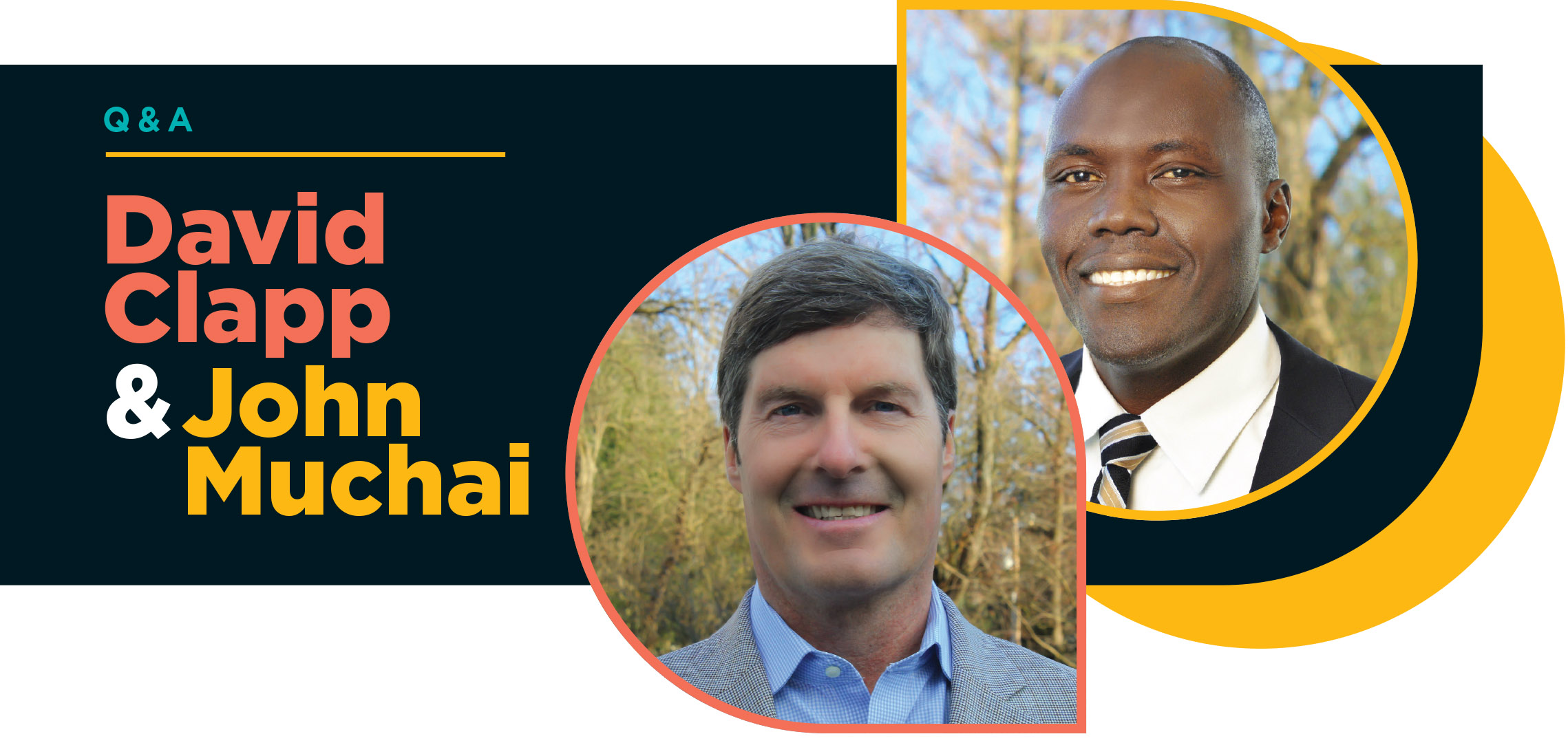
David Clapp
BCF Trustee & President, Rowland Ventures
How did you learn about impact investing? How does impact investing complement your charitable giving?
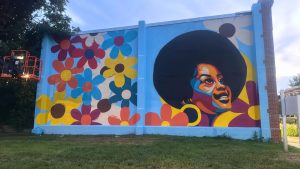
I was first introduced to impact investing through ReBUILD Metro, a nonprofit that is working with residents of Johnston Square in East Baltimore to revitalize homes, commercial buildings and community spaces without displacing legacy residents. ReBUILD accepts traditional donations, but also offers an opportunity for investors to support the work through low-interest loans. I was excited about the opportunity to support an organization with dollars that would earn interest and would eventually be returned to me. This allows a donor to support more organizations with the same dollars! Right now, impact investing is a small part of my charitable efforts, but I see that expanding in the years ahead.
You were one of the first donors to open an impact investing donor-advised fund at BCF and you have chosen crowdsource funding for it. Why did you decide to go this route?
I thought BCF’s new impact investing donor-advised fund structure was perfect for getting more people involved. People who may just be dipping their toes in the water around giving or may not have the means to meet a minimum donation threshold for an opportunity like co-investing in ReBUILD Metro (currently $100,000 minimum for logistical purposes) can now participate thanks to BCF. In the case of ReBUILD Metro, several friends and I pooled our funds and were able to exceed the minimum, which would not have happened individually. An additional bonus is that if ReBUILD is successful, the funds are repaid to our BCF donor advised fund and we get to give those dollars again! Now we have an even better reason to get together socially; we can talk about, and even go see in Johnston Square, the work ReBUILD is doing and feel good about our contribution to that effort. This would not have been possible if BCF had not put in place the structure allowing for us to combine our donations into one.
What excites you about the impact investments you’ve made through BCF?
That we are just at the tip of the iceberg! There is so much more potential in impact investing. With the right investment in the right place, Baltimore will have more resources to address its many problems. Just like start-up capital in the hands of an entrepreneur can lead to exciting innovation, impact investing can provide that initial support that leads to new programs and solutions to benefit the city. BCF is on the forefront of this effort in my opinion. There is a lot of potential in this city, and BCF can be the bridge not only between donors and nonprofits but between what is now and what can be.
John Muchai
BCF Director of Finance
What is your role at BCF? How are you involved in the Invest for More impact investing program?
I oversee daily finance operations and work closely with management and key trustees to protect BCF’s financial integrity, maintaining effective controls for accurately recording gifts, grants, expenses, investment returns, fund balances and investment allocations, and overseeing various audit processes. One of the most interesting parts of my job is managing the impact investing pipeline and prospects. I get to go out and seek prospective opportunities for BCF to invest or participate in and truly be a change agent in Baltimore and Maryland.
What do you think sets BCF apart from other vehicles for impact investing?
BCF has a unique understanding of the challenges faced by the communities and can connect the dots between investments, partnerships, philanthropic support, and other resources that really move the needle. BCF is also a place where investors can feel a unique sense of community, like their individual contributions are part of a larger, strategic effort. Investors like David Clapp further contribute to that, bringing the kind of energy and courage that are needed to confront challenges that have existed for decades. It’s exciting to see large coalitions of donors come together to make greater impact than they might be able to individually in communities like Johnston Square.
What excites you about the impact investing scene in Baltimore?
Baltimore is well positioned to be a national model of what happens when businesses, philanthropy and communities come together with common goals. I recently served on the committee for the Mission Investors Exchange Conference (which brought hundreds of impact investors to Baltimore) and it was so exciting to spotlight successes like Lexington Market and Johnston Square, which are really bettering communities and generating opportunities. My hope is that we stay laser-focused on providing a platform and resources to enable communities that have been left behind for many decades to rise and become havens of economic development.